
Why Not All Linen is Created Equal
Linen is often a better choice for bedding than cotton—but not all linen is the same. Where and how flax is grown, how the fibers are processed, and the standards a brand follows all make a meaningful difference.
Here’s what sets The Modern Dane’s European linen apart.
Chemical Contamination
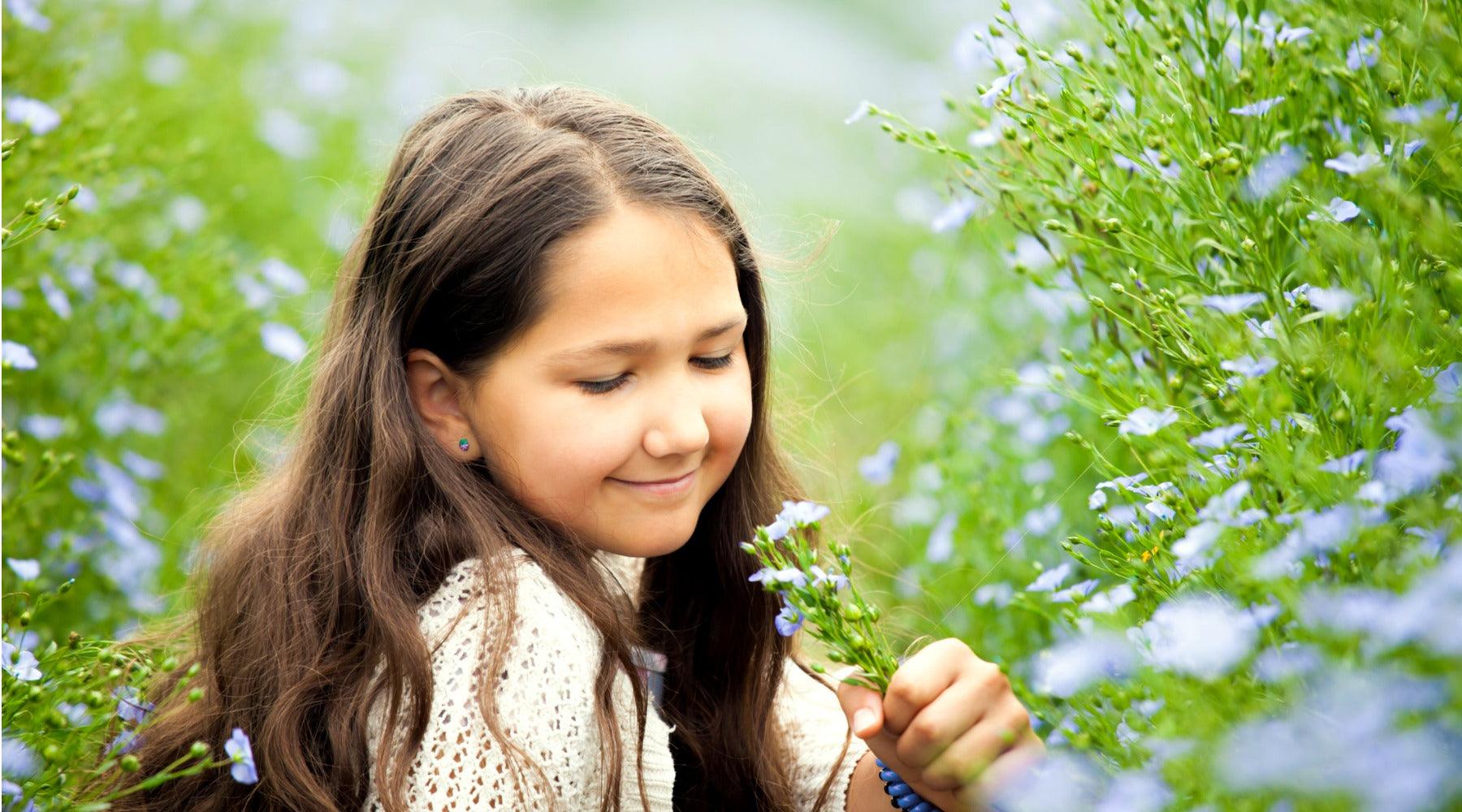
Linen is made from flax: a tough, woody plant similar to hemp and jute. Modern flax plants have been selectively bred to resist disease and pests—so even if no pesticide is used, very little of the crop is lost.
Even so, some flax farmers will use chemical fertilizers, weedkiller, and pesticides to get the maximum possible yield. These chemicals can contaminate streams—harming birds, fish, and plants. They can also seep into groundwater, which poisons well water in developing countries. “Blue baby syndrome”—a potentially fatal condition where a baby’s skin turns blue from lack of oxygen in the blood—is commonly caused by the contamination of groundwater by nitrate fertilizers. Nitrates can also end up in grains and vegetables growing in the soil.
The Modern Dane’s European linen bedding uses flax grown with no pesticides, weedkiller, or fertilizer and no defoliants—it’s safe for you, the environment, and for the local communities around flax farms.

Retting: Faster Isn’t Better
Retting is the process by which harvested flax stems, after being pulled from the ground, are laid down in the field. Over time, pectin in the flax stem breaks down, causing the hard outer stalk to separate from the soft, strong linen fiber within.
Farmers of European flax use the dew retting process, meaning that no additional water or chemicals are applied to the stems beyond dew, natural rainfall, and soil microorganisms. With high rainfall and warm temperatures, the climate in northwestern Europe is ideal for dew retting—even so, the process can take 2 to 8 weeks depending on conditions.
Other parts of the world are unsuitable for dew retting due to drier or cooler climates. Farmers will therefore use water retting, where the pulled flax plants are submerged in a body of water. This takes less time than dew retting—around 1 to 2 weeks.
Historically, water retting was done in natural water such as bogs, ponds, or lakes—however, this came with unintended consequences. In Ireland, for instance, the once thriving linen trade came to a halt when retting wastewater began to deoxygenate waterways, killing fish and contaminating water supplies. Today, water retting takes place in modern retting tanks—but the wastewater must be treated before it is released back into the ecosystem.
Recently, some farmers have begun to use chemical retting: the flax stem is immersed in a chemical solution—usually an acid or alkali—and separates in just a few hours. While efficient, this process results in a lower quality fiber and polluted wastewater that requires energy-intensive treatment.

At The Modern Dane, we use only linen made from certified European Flax grown in France, Belgium, and the Netherlands. The linen is separated using the dew retting process, which is safe for the environment and avoids the use of harsh chemicals.
A Question of Ethics
So far, modern linen producers have avoided any major scandals. But without proper investigation, how can we be sure that the linen we’re buying is ethically made? One of the world’s biggest linen producers is China—recently in the headlines for its treatment of Uighur cotton workers. Another major exporter of linen is India, where low wages and child labor are common.
Certifications can help cut through the noise when evaluating textiles. Our linen is certified under two of the most respected European standards:
- Masters of Flax Fibre – guarantees that the flax is grown in Western Europe (France, Belgium, Netherlands) using sustainable agricultural practices and full traceability from field to fiber
- OEKO-TEX® Standard 100, Class 1 – the most stringent OEKO-TEX category, ensuring the finished fabric is tested for harmful substances and is safe even for babies and those with sensitive skin
Together, these certifications speak to both how the flax is grown and how the finished fabric is processed—offering confidence in what you’re bringing into your home.

Thoughtful from Field to Fabric
Linen has a long history, but how it’s produced today varies widely. By sourcing exclusively from certified European growers and focusing on responsible processing methods, we aim to offer bedding that reflects a more considered approach—one that values quality, traceability, and environmental care.
Do you pay attention to certifications when you shop for textiles? We’d love to hear what matters most to you—find us on Instagram, Pinterest, Facebook, or Twitter!
Read more
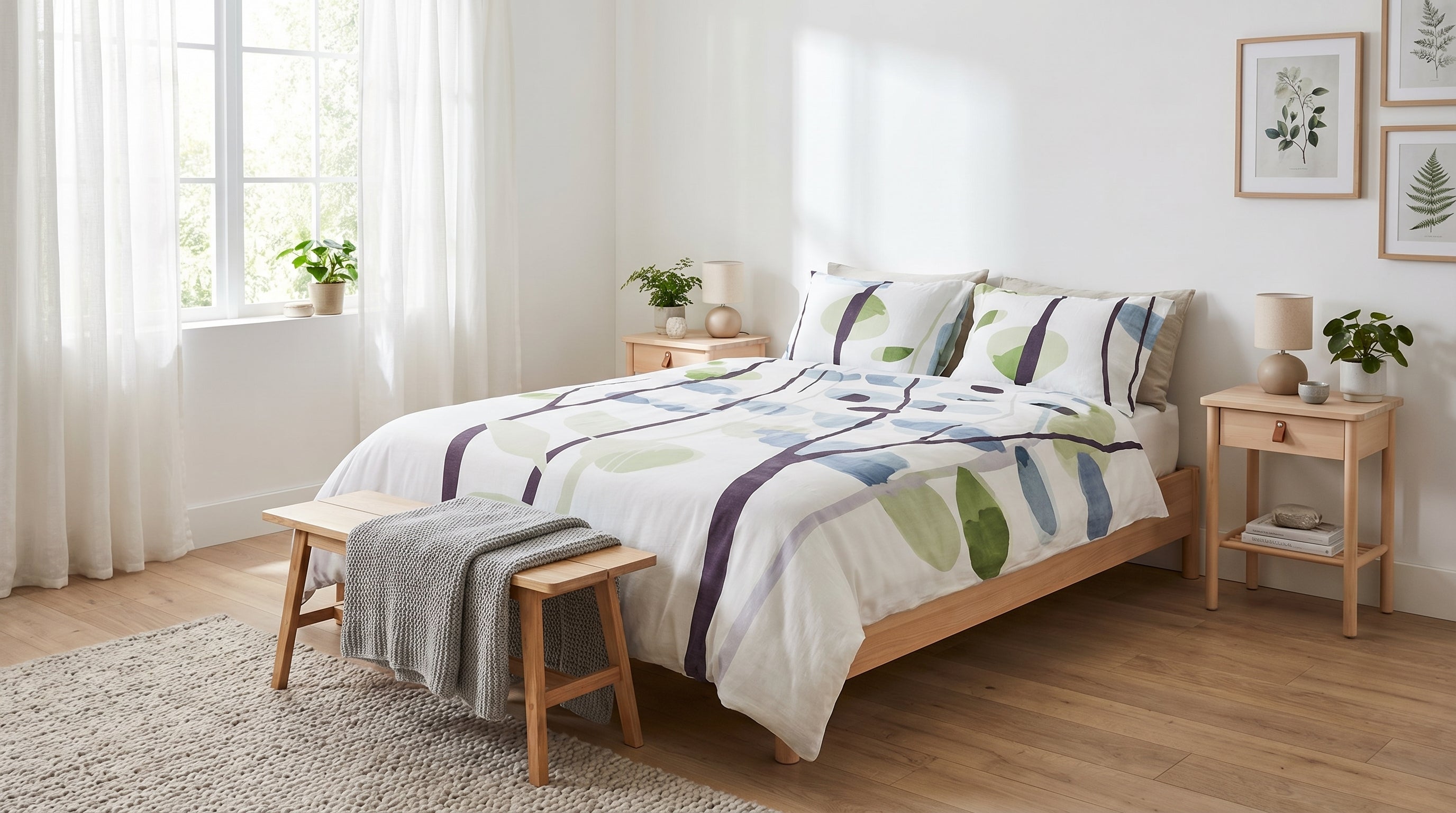
Scandinavian Bedroom Design Inspired by Nordic Forests
Let Nordic forests guide your bedroom design. See how to bring the outdoors in, integrating earthy colors and natural elements found across Scandinavia.
Read more
European Linen Bedding: Why Flax Matters for Soft Sheets
All flax is not created equal. Discover why European flax stands apart for softness, strength, and sustainability.
Read more

Leave a comment
This site is protected by hCaptcha and the hCaptcha Privacy Policy and Terms of Service apply.